Travelers visiting Korea for the first time often wonder how to get around once they arrive at the airport. Although Seoul has one of the most advanced public transportation systems in the world, navigating it without a transportation card can feel inconvenient for first-time visitors.
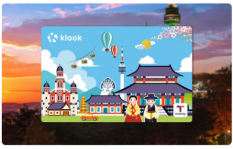
One of the easiest and most convenient solutions is the T-Money Card. The T-Money card is a prepaid transportation card widely used throughout South Korea. With just one card, travelers can use subways, buses, taxis, and even make payments at convenience stores and vending machines.
For international visitors arriving at Incheon International Airport, purchasing or reserving a T-Money card in advance is one of the best ways to start a smooth and stress-free trip in Korea.
What is the T-Money Card?
The T-Money Card is one of the most commonly used transportation payment cards in South Korea. It is a rechargeable smart card that allows users to pay for transportation and small purchases quickly and easily.
With a single T-Money card, travelers can conveniently move around Seoul and most major cities in Korea.
Key features of the T-Money card include:
Use on subways and buses across Korea
Payment available for many taxis
Accepted at convenience stores and retail shops
Usable at vending machines
Automatic transfer discounts between bus and subway
One of the biggest advantages of the T-Money card is the automatic transfer discount system. When transferring between buses and subways, the system automatically applies discounted fares, helping travelers save money during their trip.
Getting a T-Money Card at Incheon Airport
When travelers arrive at Incheon International Airport, they can easily pick up a T-Money card at designated counters inside the airport.
Many visitors prefer to reserve their T-Money card in advance so they can quickly collect it upon arrival and immediately begin using public transportation.
Booking in advance also helps travelers avoid waiting in long lines at the airport.
Many international visitors consider the T-Money card an essential item for traveling in Korea.
Travelers particularly appreciate:
The simple and easy payment system
Convenient public transportation access
Quick pickup at Incheon Airport
The useful SIM card bundle option
Currently, the T-Money card maintains an average rating of 4.7 out of 5, with more than 90,000 travelers choosing the service, reflecting its high satisfaction among visitors.
Final Thoughts
If you are planning a trip to Korea, the T-Money card is one of the most essential travel items you should prepare in advance.
By picking up your T-Money card directly at Incheon International Airport, you can immediately start using Seoul’s efficient public transportation system from the moment you arrive.
From subways and buses to taxis and convenience store purchases, the T-Money card offers a simple and convenient way to explore Korea without worrying about transportation payments.
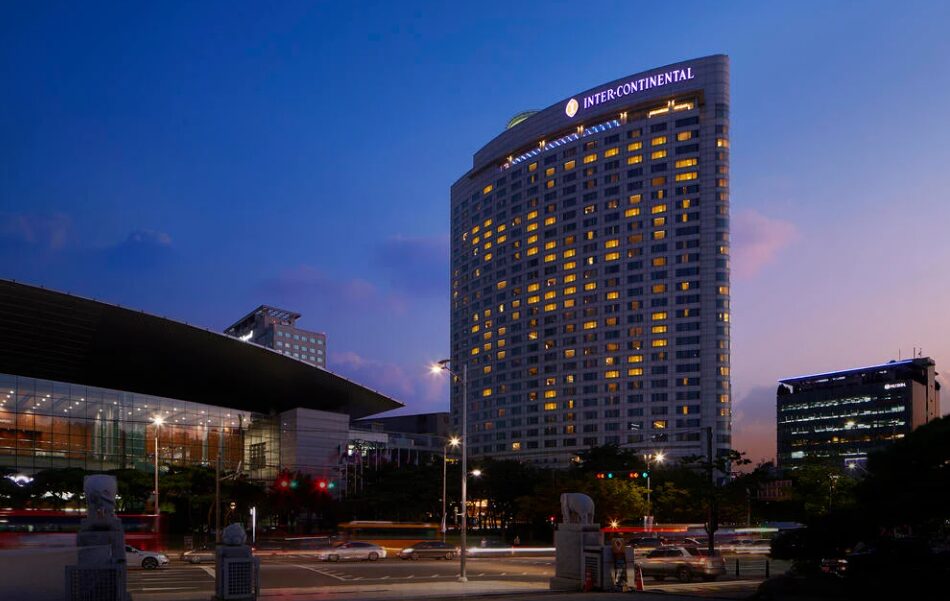
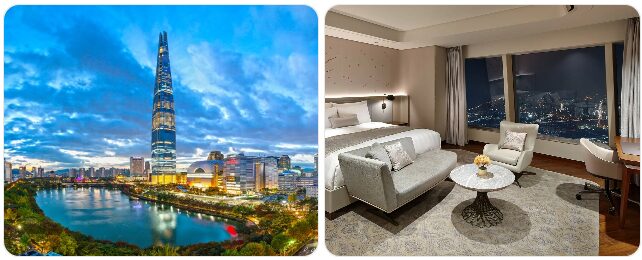
Jamsil Olympic Stadium is one of the largest concert venues in Seoul, hosting major K-POP world tours by artists such as BTS, IU, SEVENTEEN, and Stray Kids.
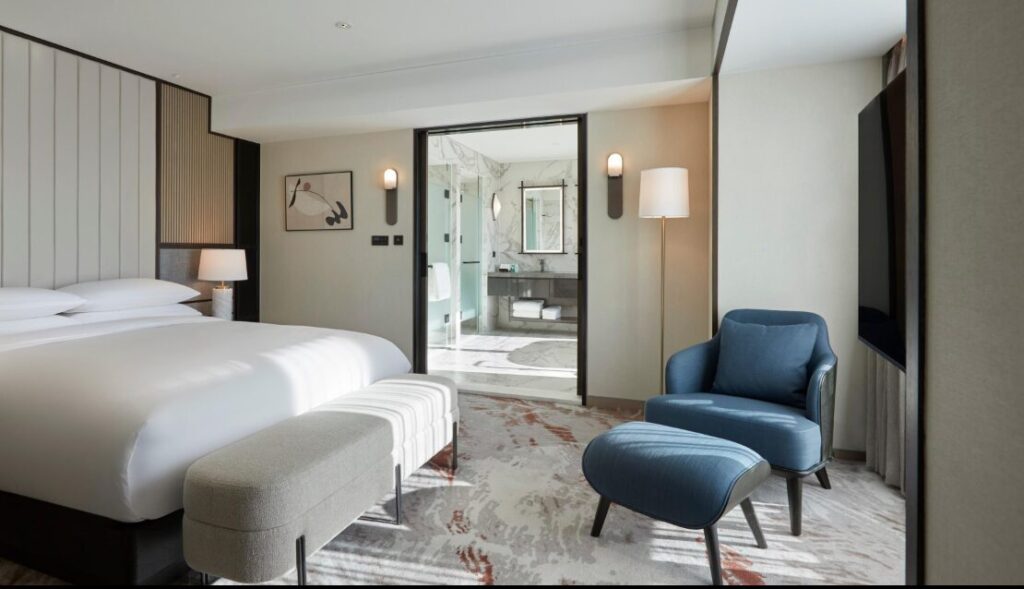
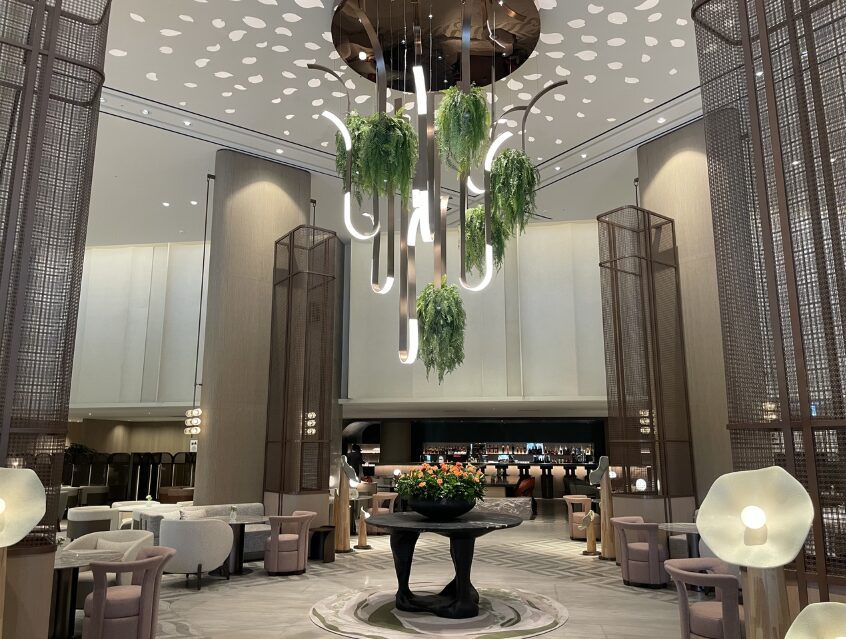
On concert days, nearby hotels sell out quickly and prices increase fast. Choosing the right accommodation can significantly improve your overall concert experience.
In this guide, we’ve categorized the best hotels near Jamsil Olympic Stadium into:
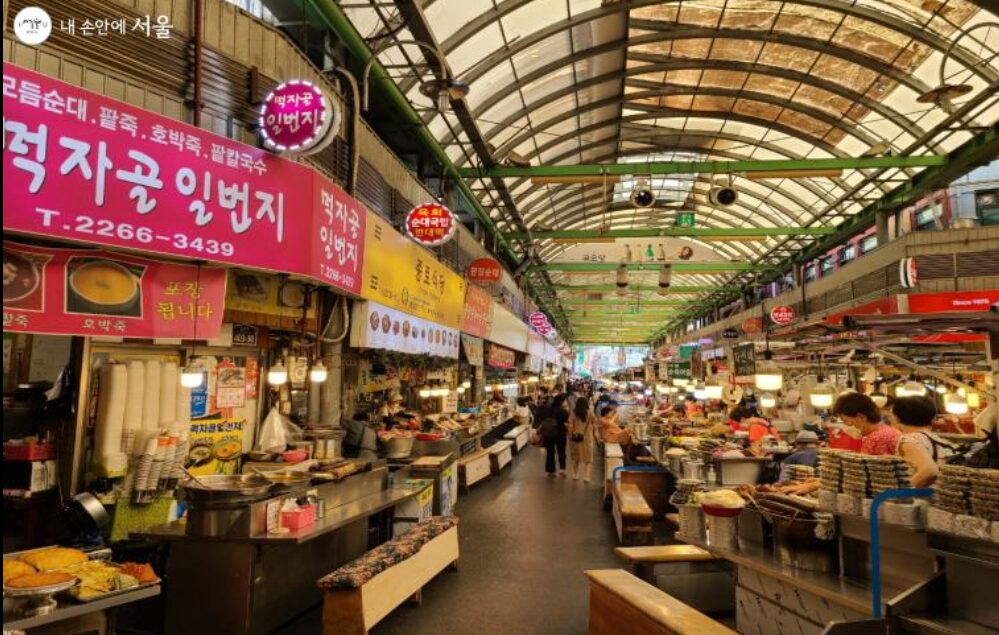
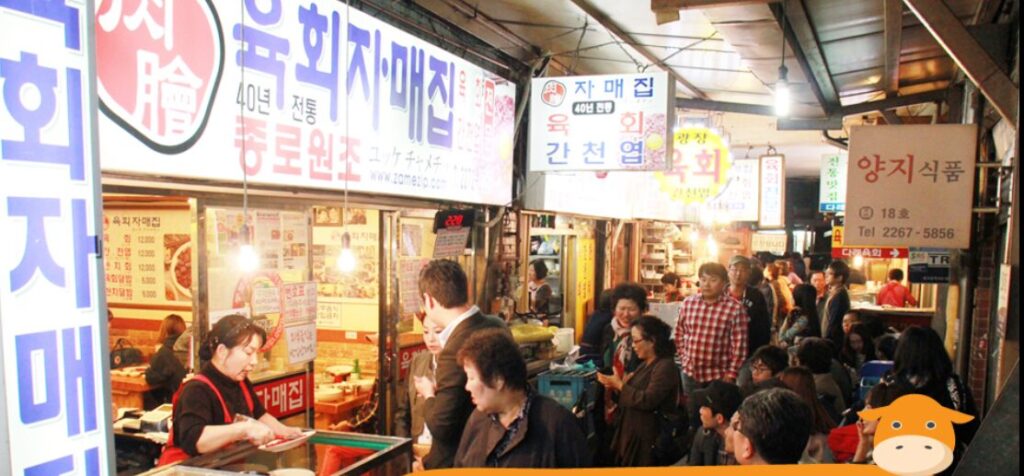
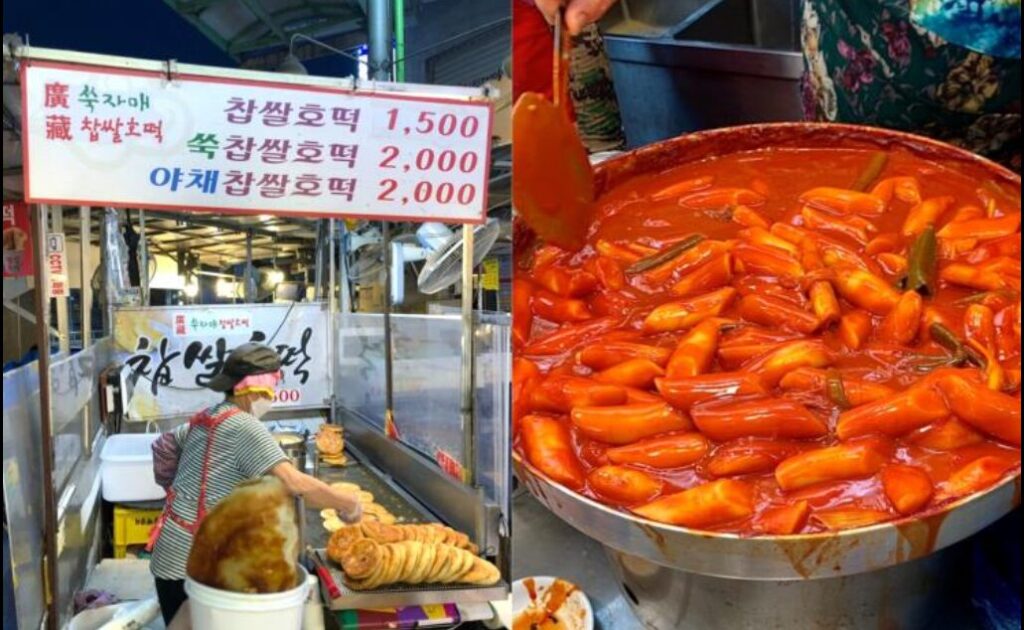
If you’re visiting Seoul, there’s one traditional market you absolutely shouldn’t miss: Gwangjang Market.
Opened in 1905, this historic marketplace has over 100 years of tradition. Today, it’s one of Seoul’s most famous food destinations, attracting both international tourists and young Korean visitors.
After being featured in Netflix’s Street Food, Gwangjang Market gained global recognition and quickly became a must-visit culinary hotspot in Korea.
📍 Location & How to Get There
Gwangjang Market is located in Jongno-gu, central Seoul, making it very easy to access.
🚇 Subway Access
Jongno 5-ga Station (Line 1), Exit 8
Euljiro 4-ga Station (Line 2 & 5), Exit 4
Both exits are within a short 3–5 minute walk. It’s also conveniently close to popular attractions like Dongdaemun, Cheonggyecheon Stream, and Jongno shopping streets.
🍽 Must-Try Foods at Gwangjang Market
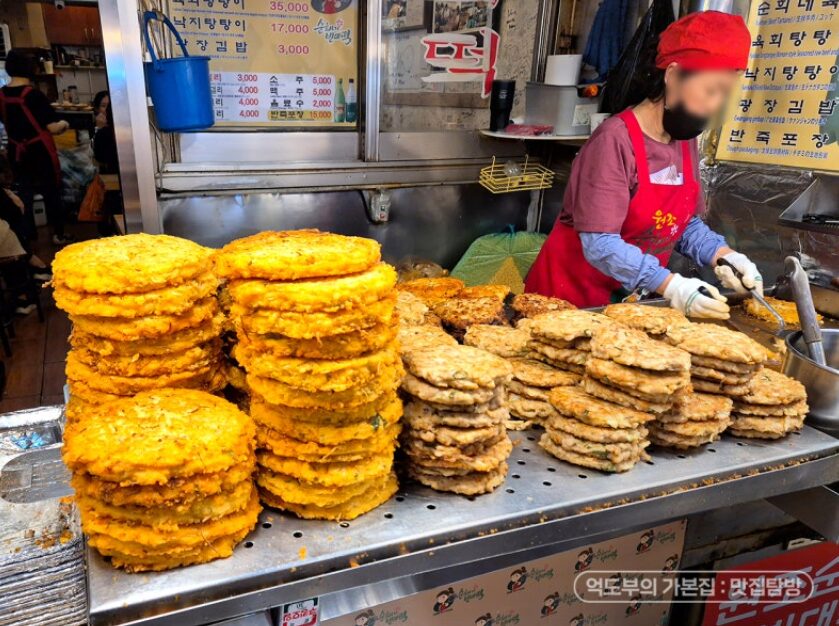
1️⃣ Bindaetteok (Mung Bean Pancake)
The signature dish of Gwangjang Market. Made from ground mung beans mixed with vegetables and pork, then pan-fried until crispy on the outside and soft inside.
It pairs perfectly with a glass of traditional Korean makgeolli (rice wine).
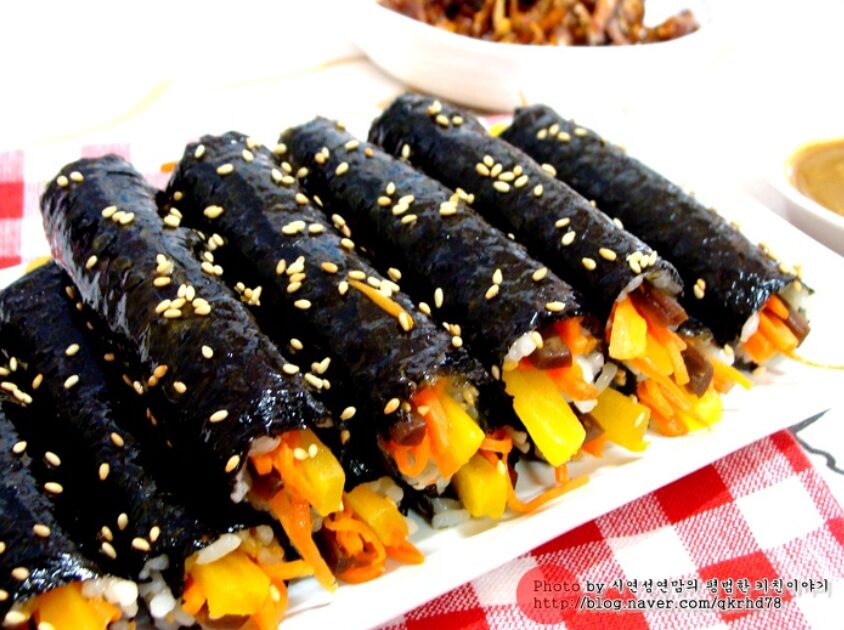
2️⃣ Mayak Gimbap (Mini Seaweed Rice Rolls)
“Mayak” literally means “addictive,” and once you try it, you’ll understand why. These bite-sized rice rolls are dipped in a mustard soy sauce, creating a surprisingly bold and satisfying flavor.
A simple dish, but a must for first-time visitors.
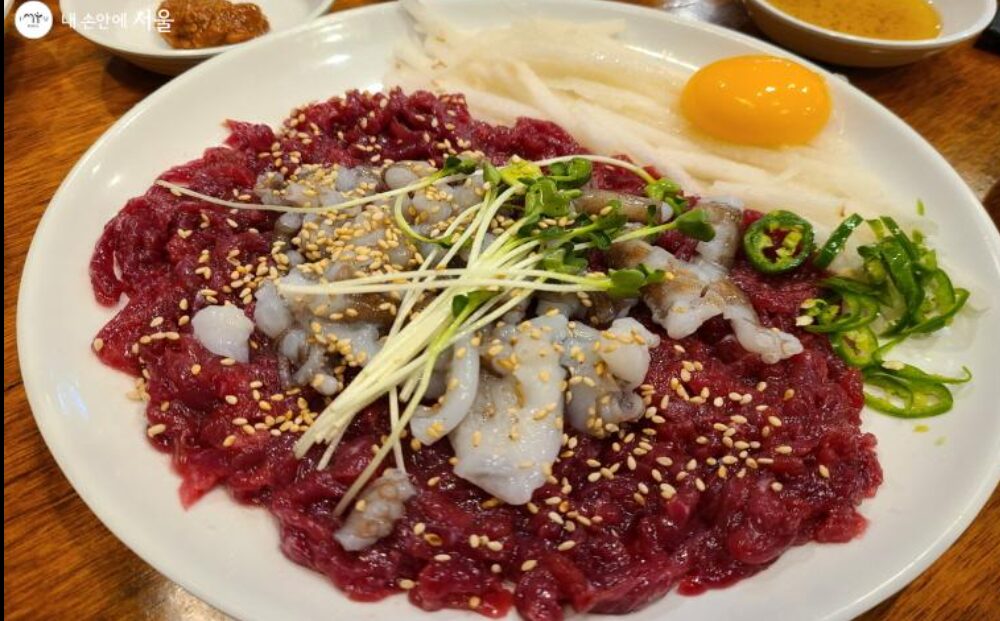
3️⃣ Yukhoe (Korean Beef Tartare)
Gwangjang Market is famous for its fresh and affordable yukhoe. Thinly sliced raw beef is topped with egg yolk and Asian pear slices, creating a sweet and savory balance.
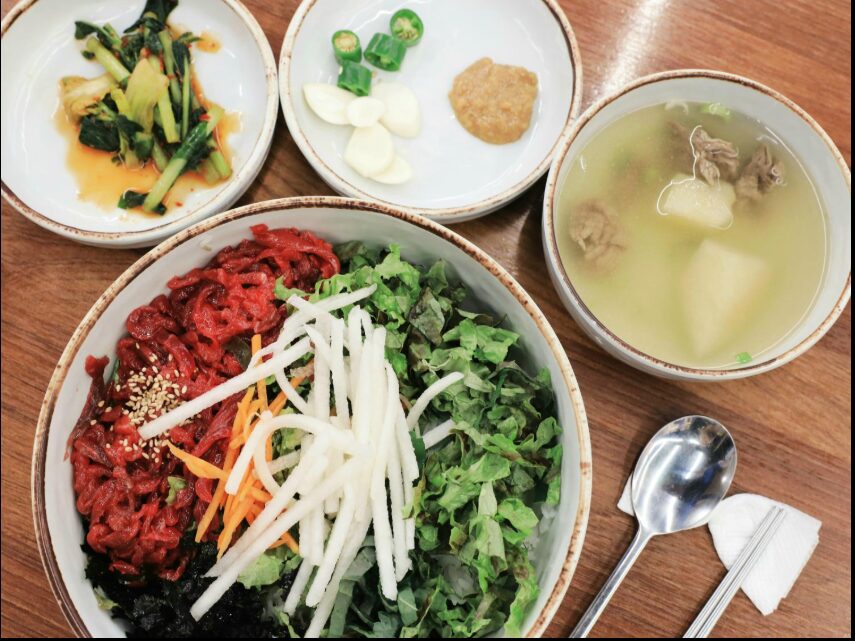
Yukhoe bibimbap is also a popular option among visitors, especially international tourists.
4️⃣ Kalguksu & Sujebi (Noodle & Soup Dishes)
Warm noodle soups are another comfort food highlight. Enjoying a hot bowl of kalguksu in the middle of a bustling traditional market is part of the authentic Korean experience.
5️⃣ Twisted Donuts & Traditional Snacks
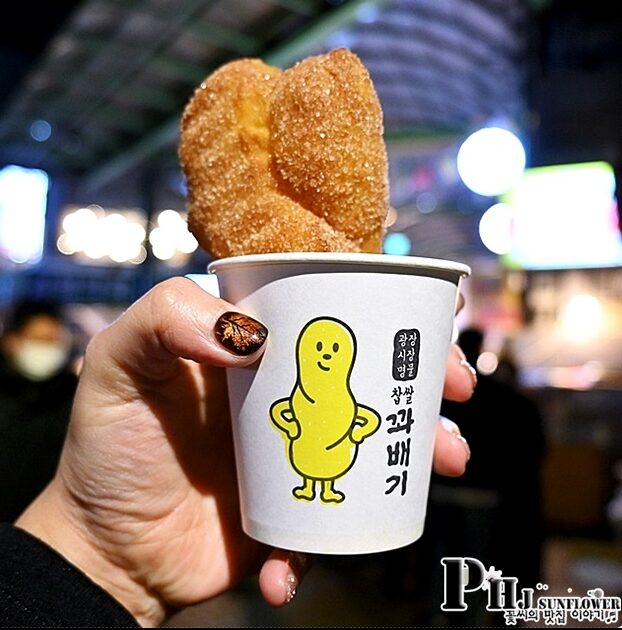
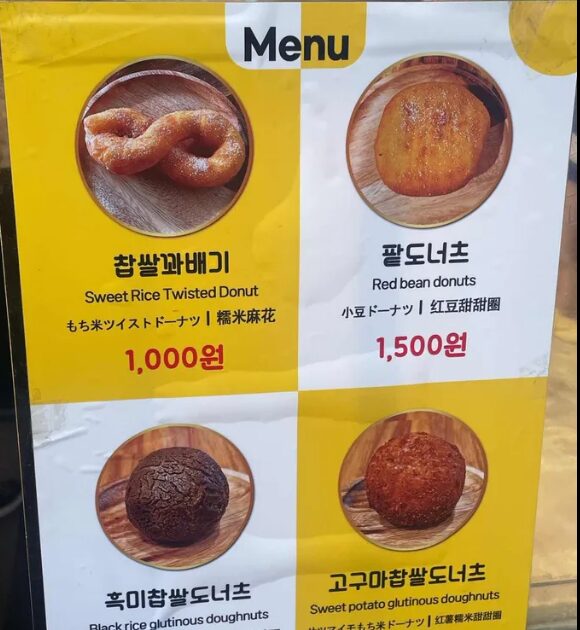
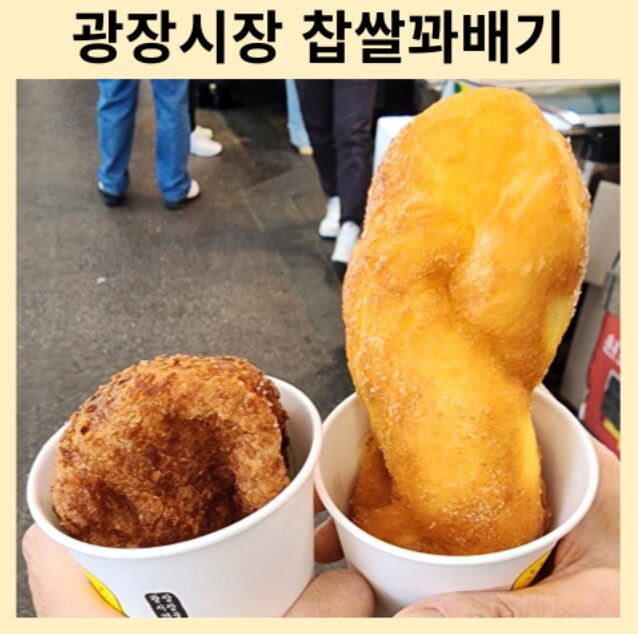
For dessert, try freshly fried Korean twisted donuts (kkwabaegi) and glutinous rice donuts. They’re affordable, crispy on the outside, and soft inside — perfect as a quick snack after your meal.
🌙 The Real Charm of Gwangjang Market
Gwangjang Market is more than just a place to eat.
Sitting shoulder-to-shoulder with strangers
Watching vendors cook right in front of you
Hearing the lively sounds of the market
It’s an immersive experience that showcases everyday Korean life.
📸 Visitor Tips
✔ Lunch and dinner hours can be very crowded ✔ Weekday afternoons are less busy ✔ Most stalls accept credit cards ✔ Popular vendors may require waiting in line
✨ Final Thoughts
If you want to experience authentic Korean flavors during your Seoul trip, Gwangjang Market should be on your itinerary.
It’s not a fancy restaurant — it’s a vibrant, living part of Seoul’s history and food culture.
Grab a crispy mung bean pancake, pour a glass of makgeolli, and enjoy one of the most iconic food experiences in Korea.
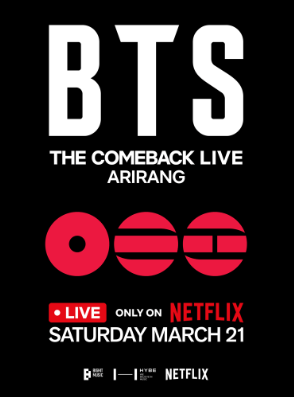
If you’re visiting Seoul and searching for BTS-related spots, Gwanghwamun Square is one of the most iconic locations in the city.
This central area has hosted multiple K-POP related events, pop-up exhibitions, and fan gatherings — and it remains a must-visit location for ARMY visiting Korea.
📍 Where is Gwanghwamun Square?
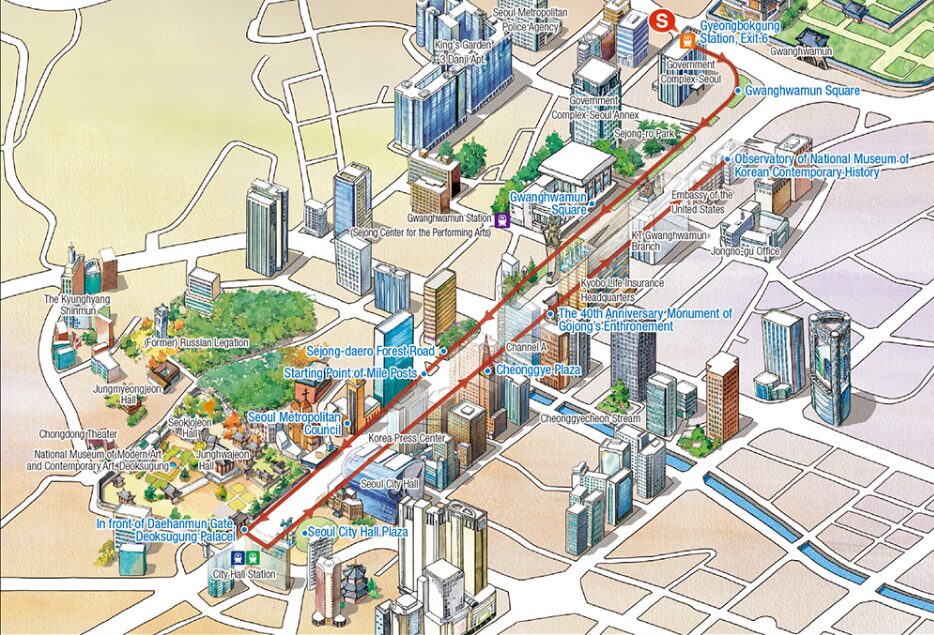
Gwanghwamun Square is located in central Seoul, directly in front of Gyeongbokgung Palace.
It is surrounded by major cultural and historical landmarks including:
Gyeongbokgung Palace
Sejong Center for the Performing Arts
National Museum of Korean Contemporary History
This makes it a perfect stop for fans combining tourism + BTS pilgrimage.
🚇 Transportation Guide
The easiest way to reach Gwanghwamun Square is via subway.
✅ Subway Access
Line 5 – Gwanghwamun Station
Exit 9 (most direct access to the square)
Exit 7 (alternative access)
Other nearby stations:
Line 3 – Gyeongbokgung Station (Exit 5)
Anguk Station (within walking distance)
Because the square stretches long vertically, different exits bring you closer to different areas.
🎤 Why BTS Fans Visit Here
Gwanghwamun is not a permanent BTS museum — but it has hosted:
BTS anniversary events
Pop-up exhibitions
Fan-led birthday events
Special LED media displays
Cultural campaign collaborations
Because of its central location and symbolic status in Seoul, it is often selected for large-scale public K-POP events.
📸 Best Time to Visit
Evening (7PM–10PM) for city lights
Spring & Autumn for comfortable weather
Weekdays for fewer crowds
🏨 Where to Stay Nearby (Travel Intent Tip)
If you’re planning to visit:
Myeongdong area (10 min away)
Jongno district
City Hall area
🔥 Final Thoughts
If you’re an ARMY visiting Seoul, Gwanghwamun Square should be on your list.
Even when there is no official BTS event happening, the area’s atmosphere, accessibility, and historical backdrop make it one of the most symbolic K-POP-friendly spaces in Korea.